
A Deeper Understanding of Male & Female Rhinoplasty
Rhinoplasty is often thought of as a procedure that simply reshapes the nose, but in reality, it is far more individualized. No two noses are exactly the same, and differences in nasal structure, skin thickness, cartilage strength, and facial anatomy all influence how surgery is planned. These distinctions become especially important when comparing male and female rhinoplasty, since the goal is always to refine the nose while preserving the characteristics that suit each person’s face.
A key part of planning rhinoplasty is understanding how the nose relates to the rest of the face. Men and women often have different nasal anatomy and aesthetic goals, which can influence how the procedure is approached. By recognizing these differences, Dr. Anmol Chattha can tailor each rhinoplasty to the patient’s features, preferences, and long-term appearance.
The Subtle Differences Between Male and Female Rhinoplasty
Although most rhinoplasty surgeries use many of the same techniques, the aesthetic goals often vary depending on a patient’s facial features. Men and women typically have different nasal structures and preferences, which influence how surgery is planned.
Male noses often have several characteristics Dr. Chattha takes into account, such as:
- A stronger, straighter nasal bridge
- Thicker skin and stronger cartilage support
- A slightly wider nasal base
- Less rotation at the nasal tip
These traits often contribute to a more defined, traditionally masculine profile. For many male patients, the goal is refinement rather than dramatic change, maintaining a natural strength to the nose.
Female noses, on the other hand, are often shaped with slightly softer contours. Common features may include:
- A more gently contoured bridge
- More delicate nasal tip definition
- A subtle upward rotation of the tip
- Narrower overall proportions
The goal is never to create a standardized nose, but to refine the nose in a way that suits the individual face.
Why the Nose Should Fit the Entire Face
Because the nose sits at the center of the face, even small changes can influence how other features appear. A slight adjustment to the bridge, tip, or width of the nose can shift the balance between the eyes, lips, and chin. For example, patients can see the following results:
- Reducing a prominent bridge can soften the profile
- Refining the nasal tip can improve the balance between the nose, lips, and chin
- Narrowing the bridge may enhance the prominence of the eyes
That’s why the first step for rhinoplasty usually starts with a comprehensive evaluation of the face. Dr. Chattha checks facial balance, skin thickness, cartilage, and how the nose moves when you smile or talk. This complete approach helps the nose fit with the rest of the face, so it looks natural and does not stand out too much.
While many patients seek rhinoplasty for cosmetic reasons, the procedure can also address structural issues that affect breathing. Dr. Chattha often addresses the functional concerns of your nose during surgery, improving both appearance and nasal airflow. Common issues treated during functional rhinoplasty include:
- Deviated septum
- Collapsed nasal valves
- Trauma-related structural changes
- Congenital nasal asymmetry
In some cases, rhinoplasty may also be performed to correct the results of a previous surgery. Revision rhinoplasty is one of the most complex types of nasal surgery because scar tissue, weakened support structures, and altered anatomy must all be carefully addressed. Dr. Chattha must rebuild stability while refining the appearance of the nose, often using cartilage grafts to restore both form and function.
Today’s rhinoplasty methods focus on strengthening the nose. Instead of just removing cartilage or bone, Dr. Chattha reshapes and supports the nose to ensure it stays stable over time.
This way, the nose works well and still looks natural.

The Art and Precision Behind Modern Rhinoplasty
The nose is composed of delicate cartilage frameworks, thin skin envelopes, and complex internal anatomy that must all work together harmoniously, making rhinoplasty one of the most technically demanding procedures in facial plastic surgery.
Even small adjustments, sometimes just a few millimeters, can make a big difference in facial balance. That’s why skilled surgeons, like Dr. Chattha, plan carefully and take a cautious approach to rhinoplasty, focusing on preserving natural anatomy whenever possible.
- Maintaining strong structural support
- Refining features without over-reduction
This approach helps create results that look natural as you age and remain balanced over the years.
Today’s rhinoplasty techniques focus more on preserving and supporting the nose’s structure. With preservation rhinoplasty, Dr. Chattha is able to preserve more of the nose’s natural framework while shaping it, helping maintain stability and a natural look over time. Some people also consider non-surgical rhinoplasty with dermal fillers, which can temporarily change the shape of the nose without surgery.
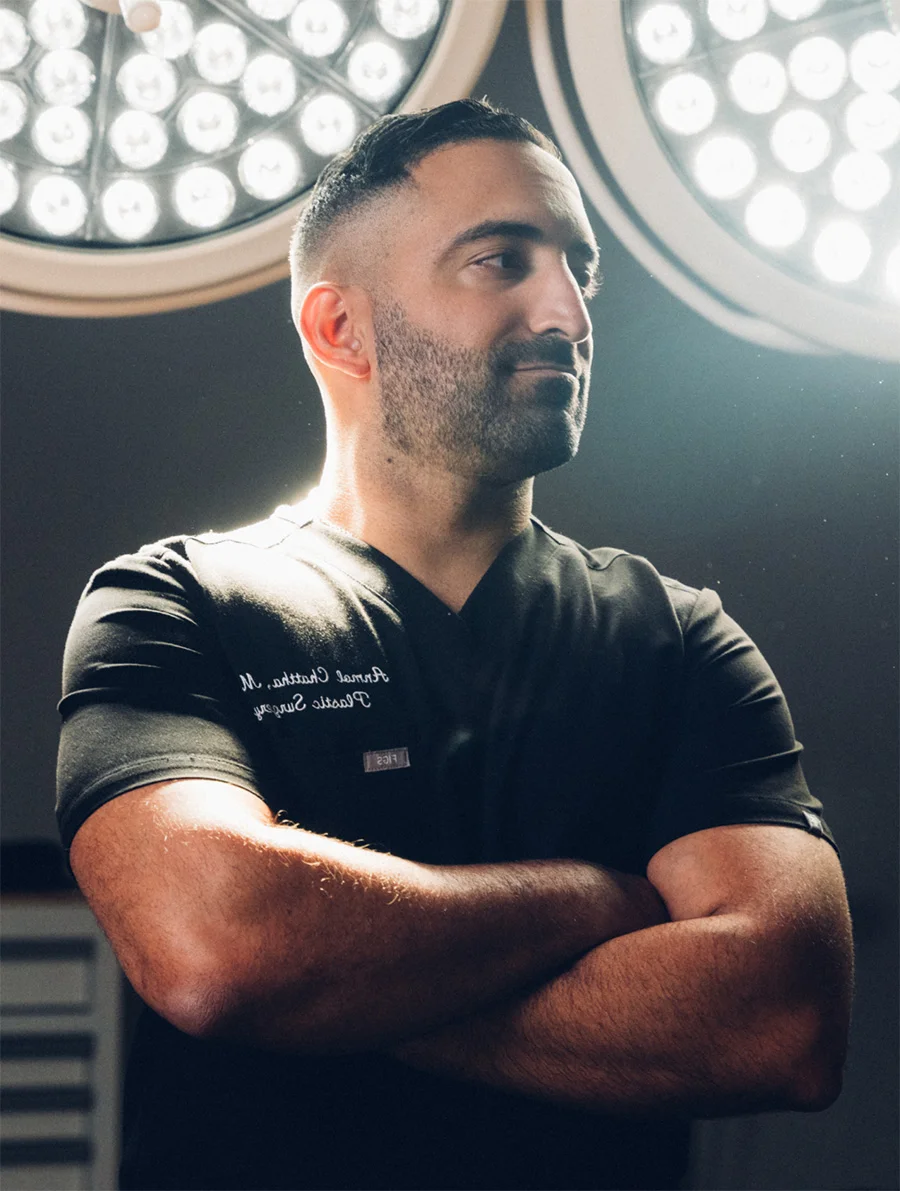
Why Choose Dr. Chattha
Choosing a rhinoplasty surgeon requires careful consideration. Because the nose plays such a central role in facial balance, even subtle changes require technical precision and aesthetic judgment.
Dr. Anmol Chattha focuses exclusively on facial plastic surgery, giving him a detailed understanding of the structures that shape the nose and influence overall facial harmony. During consultation, he evaluates facial proportions, nasal structure, skin characteristics, and breathing function before recommending a surgical plan.
Each rhinoplasty procedure is designed around the individual patient rather than a standardized approach, allowing results that appear balanced and natural.
Schedule Your Consultation
Rhinoplasty can improve facial balance, shape the nose, and fix breathing problems. Whether you want a small change or a bigger adjustment, careful planning is key to results that look natural.
If you want to learn more about rhinoplasty or see if it’s right for you, book a consultation with Dr. Anmol Chattha. During your visit, you can discuss your goals, ask questions, and receive advice on the best options for your face.